

Meet the Microbes
If you’ve already read my post on What is the Gut Microbiome? How It Affects Your Child's Gut and Immune Health, you’ll know that your child’s gut is home to trillions of microbes, all working (or sometimes arguing!) together to keep things balanced.
These tiny organisms influence digestion, immunity, inflammation, and even how your child’s body responds to food and stress.
But not all microbes are equal - some are calm peacekeepers, others are gardeners tending the gut lining, and a few can cause chaos when conditions shift.
That’s where this guide comes in.
Below, you’ll meet some of the key players that show up on stool tests in children with IBD - the helpful bacteria we want to nurture, and the trickier ones that sometimes need calming down.
The Friendly Defenders
Bifidobacteria - The Gut's Gentle Guardians

Among the very first bacteria to colonise a baby’s gut, Bifidobacteria protect and nourish the intestinal lining. They produce short-chain fatty acids that strengthen the gut wall and help keep inflammation low. Low levels are common in IBD, and rebuilding them gently can make a real difference.
Akkermansia - The Mucus Gardeners

Akkermansia lives close to the gut wall, tending to the mucus layer that shields the intestines from irritation. When levels fall, that protective “garden” can thin, leaving the gut lining more exposed. Supporting Akkermansia helps rebuild resilience from the inside out.
Faecalibacterium Prausnitzii - The Anti-Inflammatory Ally

Often described as one of the gut’s best defenders, F. prausnitzii produces butyrate - a powerful anti-inflammatory compound that calms the immune system and nourishes gut cells. Children with IBD often have very low levels of this crucial species.
Find out more about F. prausnitzii and it's role in gut balance
The Troublemakers (and How To Tame Them)
Ruminococcus Gnavus - The Troublemaker in Disguise
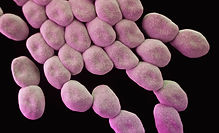
Normally harmless, R. gnavus can turn inflammatory under the wrong conditions, especially when helpful bacteria are low. It produces compounds that can irritate the gut lining - but balance it out, and calm often follows.
Find out more about R. gnavus and how it can be implicated in flares
Clostridium Difficile - The Firestarter

C. difficile tends to take over when the microbiome has been disrupted (often after antibiotics). It can crowd out the gut’s friendly bacteria and trigger inflammation. Keeping diversity high and the gut barrier strong is the best defence.
Find out more about C. difficile and how to keep it in check
Learn How to Rebuild a Healthy Microbiome

If your child’s gut needs deeper support, this guide walks you through the process step-by-step - from calming inflammation to rebuilding balance safely and effectively.
Read more on how to Rebuild Your Child's Microbiome Step-by-Step
Want to Understand What's Happening in Your Child's Gut?
If you’d like to see which microbes are thriving (and which might be missing), stool testing can give real insight. I review results from children with IBD and other gut conditions every week - and help parents create calm, confident plans for rebuilding balance.
Contact me for more information, or book a call to discuss how we can best support your child.
The Takeaway
Every child’s microbiome tells a story - one that can guide healing when we know how to read it.
These microbes aren’t just “bacteria”; they’re part of your child’s biology, immunity, and long-term wellbeing. By supporting them in the right order - calming, clearing, and rebuilding - the gut can become a much calmer, more resilient place.